
Categories
Seller's Guide, Market Trends & InsightsPublished September 28, 2026
Selling a Home with Solar Panels in Minnesota: What Sellers Need to Know

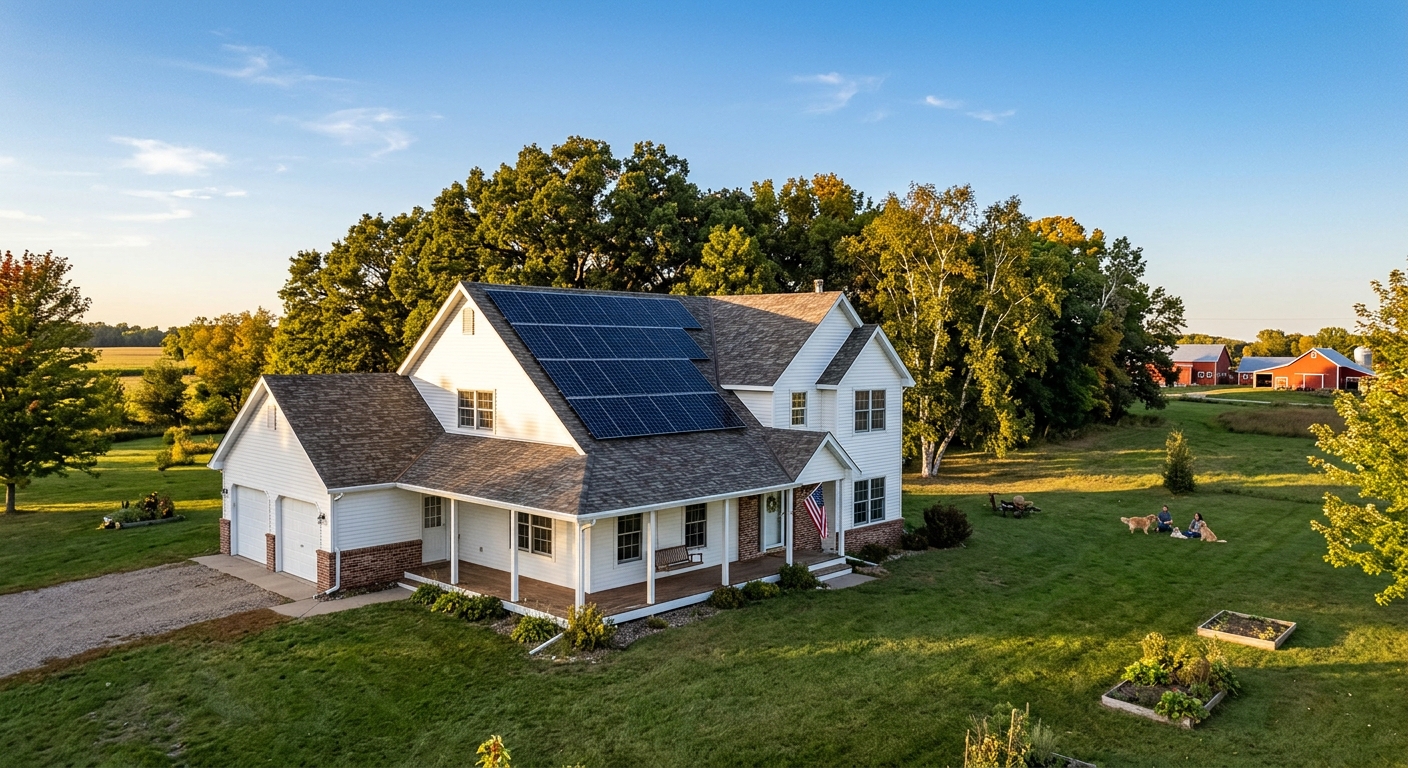
Solar panels have become a familiar sight on rooftops and pole mounts across Sherburne, Wright, Anoka, and Isanti counties, especially on the larger lots and acreage properties that define much of our service area. If you're one of the homeowners who added a solar system in recent years, selling your home with solar panels in Minnesota comes with a few extra steps most sellers don't think about until they're already under contract. The good news: none of it has to slow down your sale if you plan ahead.
Owned, Leased, or Loan-Financed: Why It Matters
Before you list, figure out exactly how your solar system is set up, because it changes everything downstream. A system you own outright, paid for in cash, is the simplest scenario. It's treated like any other home improvement and typically transfers to the buyer with no strings attached.
A system tied to a solar loan is a little more involved. The loan itself doesn't automatically transfer with the house, so you'll either need to pay it off at closing (often rolled into your settlement statement) or work with your lender on a transfer option if one exists.
Leased systems and power purchase agreements (PPAs) are the ones that require the most attention. In these arrangements, you don't own the panels outright, and the lease or PPA has to be transferred to the buyer, bought out, or paid off before closing. Buyers and their lenders will want clarity on this early, so it's worth sorting out before your home ever hits the market.
What You'll Need to Disclose
Minnesota sellers are required to complete a written disclosure statement, and solar panels fall squarely within that. Buyers will expect to know whether the system is owned, financed, or leased, its approximate age and condition, and whether there are any outstanding balances or liens tied to it. If your system is under warranty, note the warranty terms and whether they're transferable to a new owner.
It's also worth having your production history on hand, even in general terms. Buyers researching a home with solar naturally want a sense of how the system performs, and being able to speak to that builds confidence rather than raising questions.

Solar panel documents for home sale disclosure Minnesota
How Solar Affects Appraised Value and Buyer Appeal
An owned solar system can be a genuine value-add, particularly for buyers drawn to lower utility costs on a larger rural property where energy use tends to run higher. Appraisers don't always have a clean formula for valuing solar, so it helps to have your installation contract and any manufacturer documentation ready to share if requested.
Financed or leased systems are a different story. They can complicate financing for the buyer, since some lenders factor lease payments into debt-to-income calculations, and an unresolved lien can hold up closing if it isn't addressed ahead of time. None of this is a dealbreaker, but it's exactly the kind of detail that's much easier to handle with lead time than in the final week before closing.
Minnesota also offers a property tax exemption for solar energy systems, which is worth mentioning to buyers as a point in the home's favor, separate from the sale price itself.
A Common Story on Acreage and Rural Properties
Solar comes up often on the larger lots, hobby farms, and rural properties scattered throughout Sherburne, Wright, and Isanti counties, where homeowners have the roof space or open ground for a ground-mount array and an interest in offsetting well pump and outbuilding energy use. If your property also has well and septic systems, land use questions, or other rural-specific features, those tend to come up in the same conversation as the solar system, so it's worth reviewing all of it together before you list.
Documents to Gather Before You List
- Original solar installation contract or purchase agreement
- Loan payoff statement or lease/PPA transfer paperwork, if applicable
- Any manufacturer or installer warranty documentation
- Permits and inspection records from the original installation
- Utility interconnection or net metering agreement
- General production history or monitoring app data, if available
Having these ready before your first showing means fewer surprises during buyer due diligence and a smoother path to closing.
Questions Buyers Often Ask
Even when the paperwork is in order, buyers touring a solar-equipped home tend to ask a handful of predictable questions. Having answers ready ahead of time keeps showings moving and builds trust.
Will the buyer need to qualify for anything? Only if the system is leased or under a PPA. Owned systems and paid-off loans transfer cleanly with the deed.
Does the system come with a transferable warranty? Most manufacturer warranties do transfer, but it's worth confirming with your installer and having that confirmation in writing before closing.
What happens if the buyer doesn't want the solar lease? This is where early planning matters most. Some lease agreements allow a buyout at closing, which sellers sometimes negotiate into the purchase price rather than leaving it as a separate hurdle for the buyer to solve.
Is the system actually saving money? General production data, even a rough monthly average, goes a long way toward answering this honestly without overselling it.
Timing the Sale Around Lease or Loan Details
If your solar system is financed or leased, it's worth starting the payoff or transfer conversation with your provider before you list, not after you accept an offer. Buyout amounts, transfer eligibility, and paperwork turnaround times vary by provider, and surprises here are one of the more common reasons a solar-equipped home sees a bumpy path to closing. Sorting this out early gives you options: pay it off before listing, build the payoff into your net proceeds at closing, or negotiate the buyout with a motivated buyer as part of the deal.
Ready to List Your Solar-Equipped Home?
Solar panels can genuinely strengthen your listing when the ownership details are clear and the paperwork is in order. Our team can help you sort through what buyers and appraisers will want to see, price the home accurately, and market the solar system as the asset it is rather than a question mark. If you're ready to talk through your options, explore selling your home with a team that understands the rural and acreage side of the north metro market.

Steven DeGreeff
Owner / Realtor® | Degreeff and Associates | Steven DeGreeff | Keller Williams Realty Integrity NW
or another way