Published October 13, 2026
5 Questions to Ask at Every Home Showing

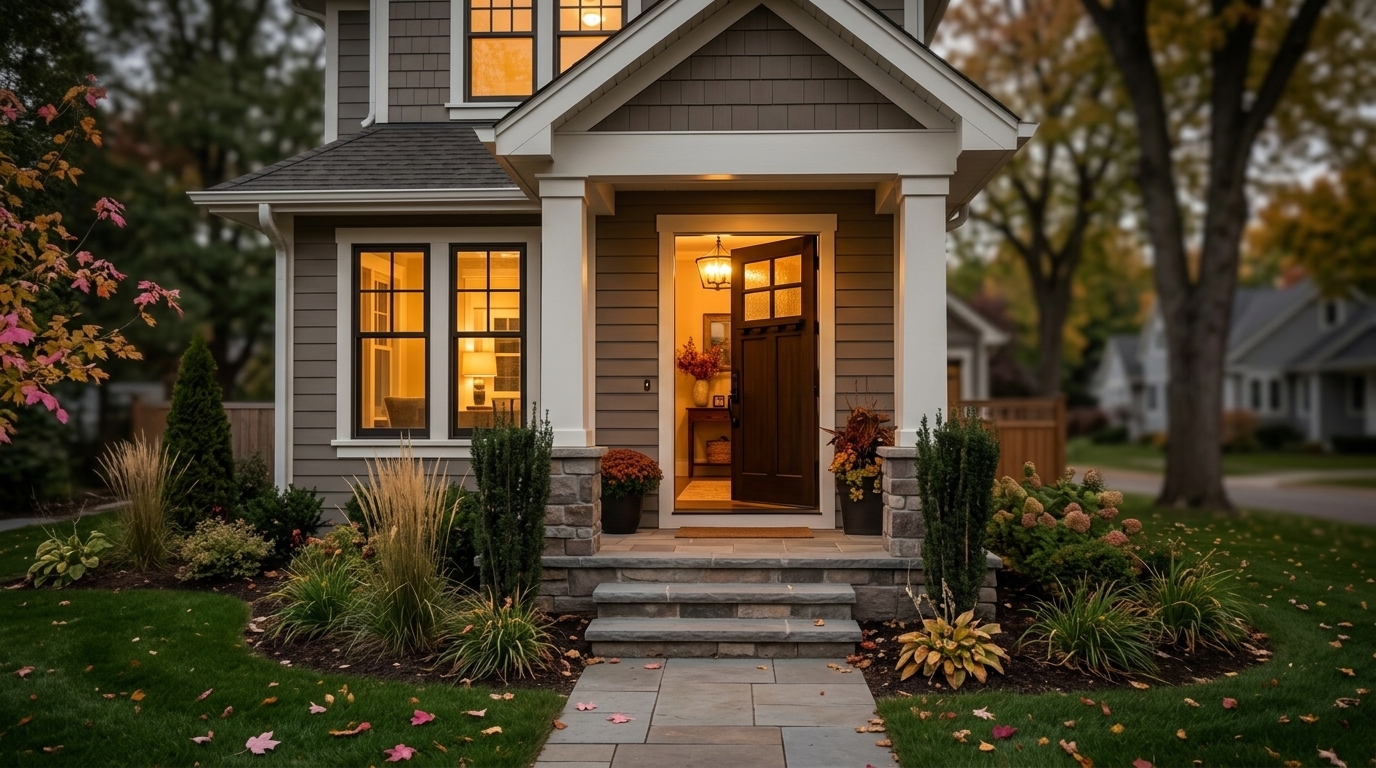
5 Questions to Ask at Every Home Showing
Most buyers walk into a showing looking at the kitchen, the finishes, and the first impression. Those things matter, but they are also the easiest parts of a home to evaluate. The harder questions are the ones that decide whether a home still feels like a good decision two years after closing.
The short answer: At every showing, ask what the home will really cost each month, what it will take to maintain, how it feels at different times of day, what you would change versus leave alone, and whether it fits the way you actually live. Asking the same five questions at every home also gives you a consistent way to compare them.
Key Takeaways
- The purchase price is only part of what a home costs. Taxes, insurance, utilities, and upkeep shape your real monthly budget.
- A showing is not an inspection, but it is the right time to start noticing the age and condition of major systems.
- Light, noise, and traffic change throughout the day. One visit shows you only one version of the home.
- Cosmetic updates are usually easy to defer. Structural and system issues are not.
- The best home is the one that fits your routine, not the one with the longest feature list.
1. What Will My Monthly Costs Really Look Like?
The listing price tells you what it takes to buy a home. It does not tell you what it takes to live in it. Your monthly cost includes your mortgage payment, property taxes, homeowners insurance, any HOA dues, and utilities. In Minnesota, heating costs deserve real attention.
Two things worth asking your agent at the showing:
- Will the property taxes change? The tax amount on a listing reflects the current owner's situation. Your bill may differ depending on the property's value and classification, so treat the listed number as a starting point and ask for an estimate instead of assuming it carries over.
- What do utilities typically run? Sellers can often share a year of utility costs. The difference between a newer, well-insulated home and an older one can be significant. For rural properties, also ask how the home is heated and where its water comes from.
If the home is part of an association, ask what the dues cover and what they do not. Our guide to buying in an HOA community explains what to look for. For the bigger picture, see the real cost of buying a home in Minnesota.
2. What Will It Take to Maintain This Home?
Every home has a maintenance schedule, whether or not the previous owner followed it. At a showing, look at the age and condition of the big-ticket items: roof, furnace, water heater, air conditioning, and windows. Ask whether the seller has maintenance records or a seller's disclosure available.
Then think about the ongoing work that comes with the property itself. A larger lot means more mowing and, in Minnesota, more snow to move. A long driveway, a deck, or wood siding each adds its own routine.
On acreage in parts of Sherburne, Wright, and Isanti counties, a private well and septic system add responsibilities that city water and sewer homes do not have. Ask how old each system is and when it was last inspected or serviced. Our well and septic buyer's guide covers what to ask.
A showing does not replace a home inspection. It helps you decide which homes deserve an offer, and which deserve a closer look through the inspection process.
3. How Does the Home Feel at Different Times of Day?
Photos and a thirty-minute tour capture a single moment. A living room that is bright on a July afternoon may feel different in a January evening. A quiet street at 11 a.m. may be busy at 5 p.m.
Pay attention to:
- Natural light in the rooms you will use most
- Road noise and traffic, especially near a main road or intersection
- Parking, driveway access, and how the lot sits relative to neighbors
- How the home functions during the parts of your day that matter most
If you are serious about a home, ask your agent about seeing it again at a different time. Drive the route you would take to work. Stand in the backyard and listen for a minute.
Stick to what you can observe and measure, such as sound, light, and traffic. Your agent can help you find objective information about an area, but cannot steer you toward or away from a neighborhood based on who lives there.
4. What Would I Change, and What Would I Leave Alone?
It is easy to fall for a home, or dismiss one, because of paint colors and flooring. Those are cosmetic, and they can be changed over time. A tricky layout, moisture in a basement, an aging roof, or failing systems are different. They can demand significant time or money soon after you move in.
As you walk through, sort what you notice into two groups:
- Cosmetic: I can live with it, or fix it gradually.
- Significant: this could need real money or work right away.
Ask for rough estimates before assuming something is cheap, and make sure your budget leaves room for the projects you expect after closing.
5. Does This Home Actually Fit My Lifestyle?
Before you start touring, write down your must-haves and your nice-to-haves. Think about your commute, whether you work from home, space for hobbies, storage, a garage, guests, pets, and how you use a yard.
In the north metro, the commute is often a deciding factor. If you are weighing a drive on Highway 10 or I-94, our commuting guide breaks down what to expect.
Try walking through a normal day in the home. Where do the coats and groceries go? Where would a desk fit? Does the layout work when everyone is home? The right home is not necessarily the one with the most impressive features. It is the one that works for the way you live.
Making the Five Questions Work for You

Buyer holding a checklist while touring a home
Bring your list to every showing. Take notes and photos at each home (ask permission first), since homes blur together quickly. Compare the same five answers side by side, and talk through them with your agent afterward while the details are fresh.
If you are starting to tour homes this fall, a clear plan makes each showing more useful. Learn how DeGreeff & Associates guides buyers from the first showing to closing on our home buying page.